
Knee pain has a way of making even the simplest daily tasks feel like a challenge. Whether it sneaks up on you after a long day on your feet or hits suddenly during a morning jog, knee discomfort is something that deserves real attention — not just a bottle of ibuprofen and a hope that it goes away. Here in Mauldin, SC, many of our patients at The Mauldin Clinic come through the door frustrated, confused, and honestly a little worried about what’s going on with their knees. The good news? Understanding your knee pain is the first step toward doing something meaningful about it.
In this article, Dr. Matt Eiken walks you through the most common causes of knee pain and injuries, what your symptoms might be telling you, and how conservative, non-invasive care — including chiropractic care — can play an important role in your recovery and long-term joint health.
Knee Pain & Injuries: Symptoms, Causes, Treatment in Mauldin
Knee pain refers to any discomfort, aching, stiffness, swelling, or instability felt in or around the knee joint. It can result from injury, overuse, poor biomechanics, or underlying conditions affecting the joint structures. Knee pain affects people of all ages and activity levels, and it is one of the most common musculoskeletal complaints seen in chiropractic and primary care settings.
Understanding the Anatomy of the Knee
The knee is one of the largest and most complex joints in the human body. It connects the thigh bone (femur) to the shin bone (tibia), with the kneecap (patella) sitting in front to protect the joint. Several key structures work together to keep your knee stable and moving smoothly.
Cartilage pads called the menisci act as shock absorbers between your femur and tibia. Ligaments — including the ACL, PCL, MCL, and LCL — hold the bones together and control movement. Tendons connect the surrounding muscles to the bones, while bursae (small fluid-filled sacs) reduce friction throughout the joint. When any one of these structures is stressed, damaged, or inflamed, pain and dysfunction can follow.
What makes the knee especially vulnerable is the fact that it bears a significant portion of your body weight with every step you take. It’s also subject to forces from both above (your hip and pelvis) and below (your ankle and foot). That’s why knee pain is rarely just a “knee problem” — it’s often connected to how your entire lower body moves and functions.
Common Causes of Knee Pain and Injuries
There’s no single cause of knee pain, which is part of what makes it so important to have a proper evaluation. At The Mauldin Clinic, Dr. Matt Eiken takes time to identify the root cause of your discomfort rather than simply chasing the symptom. Here are some of the most common culprits.
Sprains and Ligament Injuries
Ligament sprains happen when the knee is twisted, bent awkwardly, or struck with force — common in sports, falls, or sudden changes in direction. ACL tears, in particular, are well-known injuries among athletes and active individuals. Even partial sprains can cause significant swelling, instability, and pain that lingers without proper care.
Meniscus Tears
The menisci are prone to tearing, especially during activities that involve twisting while bearing weight. Meniscus injuries can happen suddenly in younger, more active people, or they can develop gradually in older adults as the cartilage becomes more brittle and less resilient over time. A torn meniscus often causes joint-line tenderness, swelling, and a sensation of locking or catching in the knee.
Patellofemoral Pain Syndrome
Often called “runner’s knee,” patellofemoral pain syndrome involves discomfort around or behind the kneecap. It frequently develops from poor patellar tracking — meaning the kneecap isn’t gliding smoothly in its groove. Weak hip muscles, flat feet, muscle tightness, and overtraining can all contribute to this condition. It’s particularly common among runners, cyclists, and people who spend a lot of time going up and down stairs.
Patellar Tendinitis
This is an inflammation of the patellar tendon, which connects the kneecap to the shinbone. It’s often referred to as “jumper’s knee” because repetitive jumping and landing places enormous stress on this tendon. Pain is typically felt just below the kneecap and tends to worsen with activity.
Osteoarthritis of the Knee
Osteoarthritis is one of the most common causes of chronic knee pain, particularly in adults over 50. It occurs when the cartilage in the knee joint gradually wears down, causing bones to rub against each other. Morning stiffness, aching during activity, and swelling after prolonged movement are hallmark signs. While there’s no cure for osteoarthritis, many patients find meaningful relief through conservative care that improves joint mobility and reduces surrounding muscle tension.
IT Band Syndrome
The iliotibial (IT) band is a thick band of connective tissue that runs along the outside of the thigh. When it becomes tight or inflamed, it creates pain on the outer side of the knee — especially during repetitive activities like running. IT band syndrome is a classic overuse injury that responds well to movement correction and soft tissue work.
Recognizing the Symptoms of Knee Pain
Knee pain doesn’t always look or feel the same from person to person. The specific symptoms you experience can offer valuable clues about what’s actually going on inside your joint. Here are some of the most common signs that something needs attention.
Sharp, sudden pain that comes on during activity often points to an acute injury, such as a ligament sprain or meniscus tear. A dull, aching pain that builds gradually over days or weeks is more consistent with overuse conditions or early-stage degeneration. Swelling and warmth around the knee indicate inflammation, which can accompany both acute injuries and chronic conditions like arthritis. Stiffness — particularly in the morning or after sitting for a long period — is another common complaint, especially in those dealing with osteoarthritis.
Some patients describe a clicking, popping, or grinding sensation in the knee. Occasional popping without pain is often harmless, but persistent clicking accompanied by discomfort can be a sign of cartilage changes or other structural issues. A feeling of instability — as though your knee might “give out” — typically suggests a ligament problem and warrants prompt evaluation.
How Chiropractic Care Fits Into Knee Pain Treatment
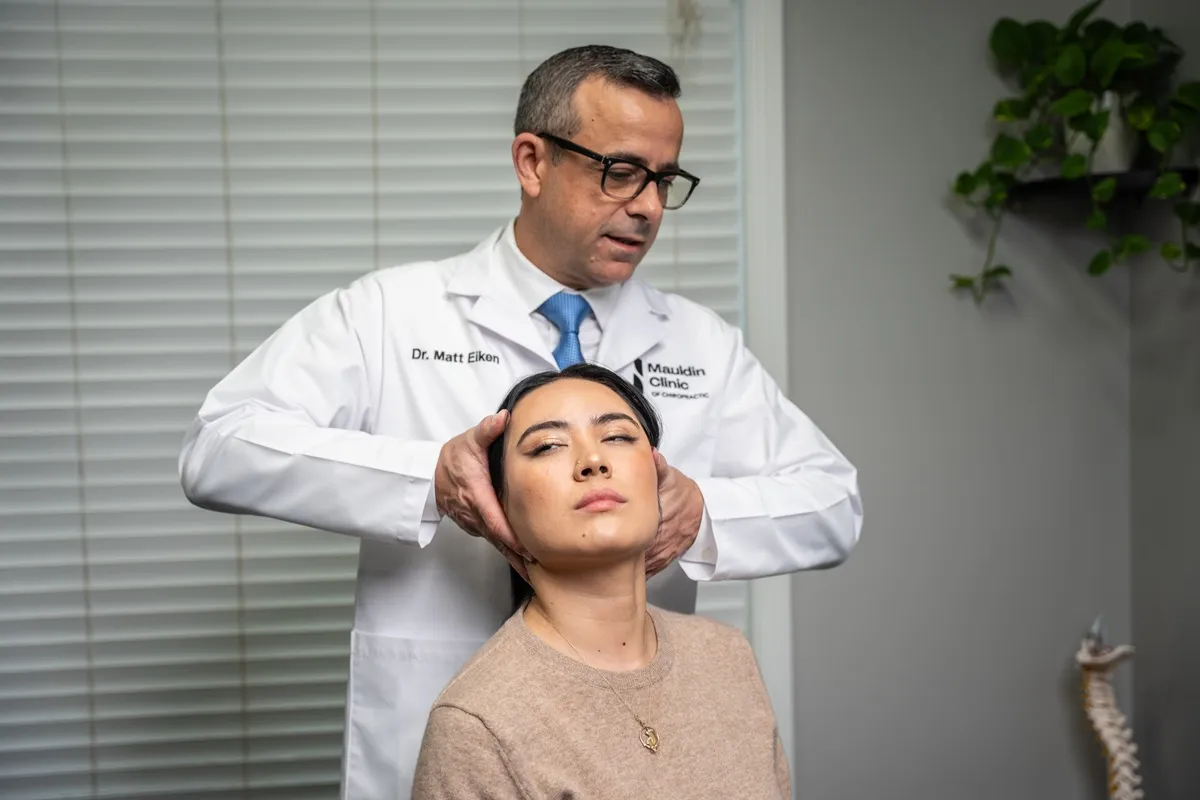
Many people don’t realize that chiropractic care extends well beyond the spine. At The Mauldin Clinic in Mauldin, SC, Dr. Matt Eiken evaluates and addresses knee pain as part of a whole-body approach to musculoskeletal health. Chiropractic care for the knee is non-surgical, drug-free, and individualized to your specific situation.
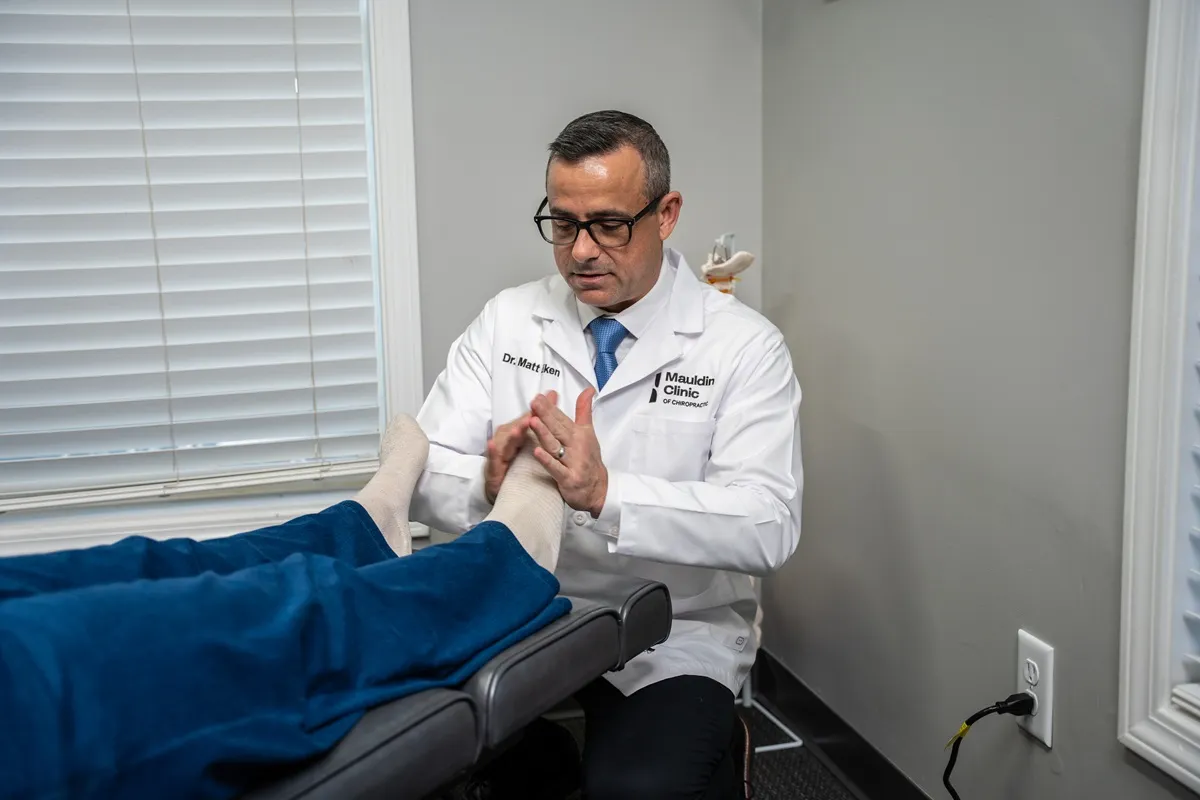
One of the most important aspects of chiropractic evaluation is looking at how the entire kinetic chain — from your feet and ankles up through your hips and pelvis — may be contributing to your knee problem. Misalignment or dysfunction in the hip or lower back, for instance, can alter the mechanics of the knee joint and increase wear and stress over time. Addressing these upstream factors is a key part of meaningful, lasting relief.
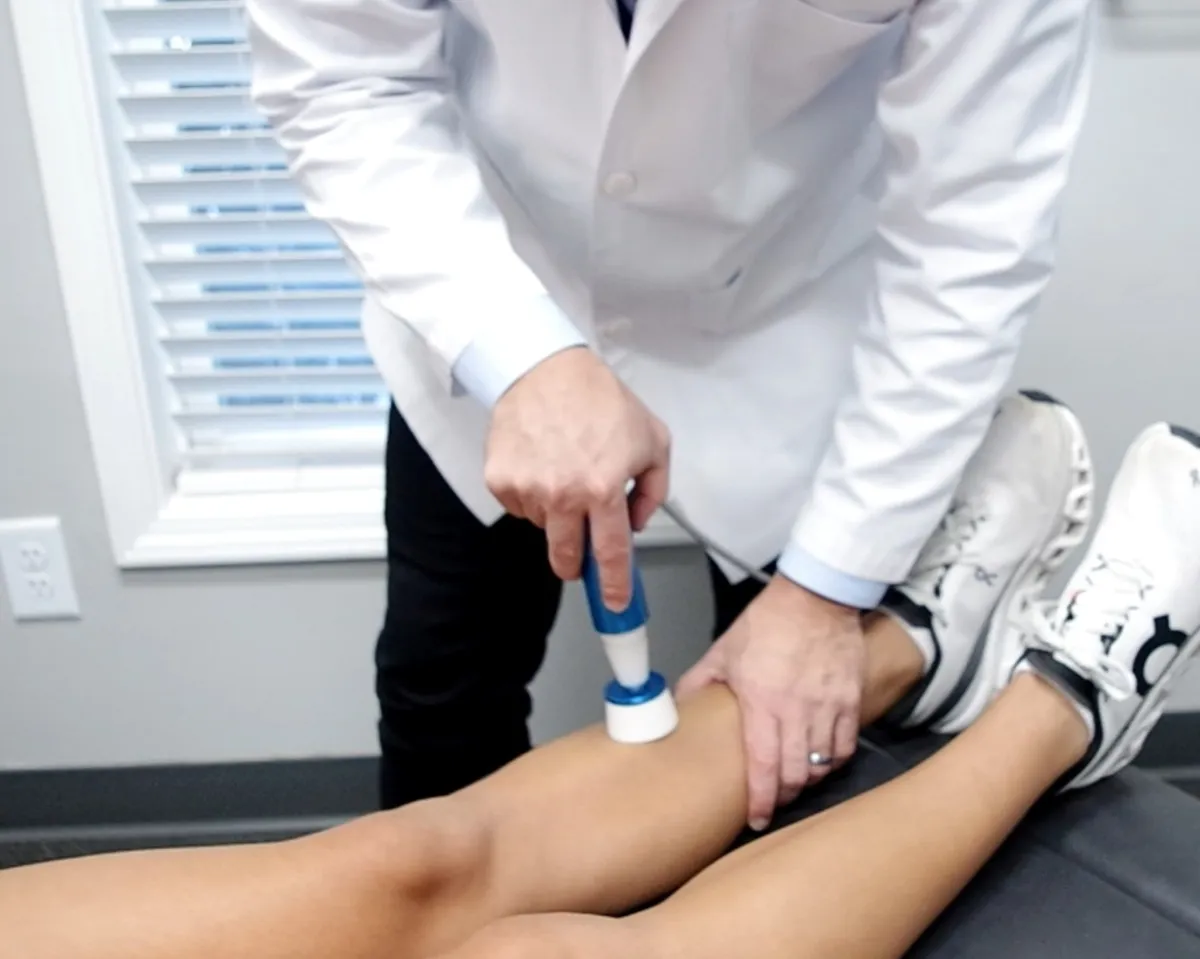
Chiropractic adjustments to the knee itself can help restore proper joint alignment and movement. Dr. Matt Eiken may also work on surrounding joints and the soft tissues in the area to reduce tension and improve function. Depending on your condition, care may include targeted exercises to strengthen the muscles that support the knee — particularly the quadriceps, hamstrings, and hip stabilizers — which research suggests plays a significant role in reducing knee pain and preventing re-injury.
Evidence from organizations like the National Institutes of Health (NIH) and the American Chiropractic Association (ACA) supports the role of conservative care — including manual therapy and exercise guidance — in managing common knee conditions. For patients dealing with osteoarthritis, guidelines from the American College of Physicians (ACP) continue to emphasize non-pharmacological approaches as a first-line recommendation. Chiropractic care aligns well with these guidelines.
Practical Tips for Managing Knee Pain at Home
While professional evaluation is important, there are several practical steps you can take to support your knee health between visits — or even before you come in for an appointment. These aren’t substitutes for care, but they can make a real difference in how you feel day to day.
Movement matters more than most people think. Staying sedentary can actually worsen knee stiffness and pain over time by reducing circulation and allowing surrounding muscles to weaken. Gentle, low-impact movement — such as walking on flat surfaces, swimming, or cycling on a stationary bike — can keep the joint mobile without adding excessive stress. If movement causes sharp or significant pain, that’s a sign to hold off and seek evaluation first.
Pay attention to your footwear. Worn-out shoes or footwear without adequate support can throw off your lower limb alignment and increase the load on your knees. Supportive, well-fitted shoes — and in some cases, orthotics — can make a meaningful difference, particularly for those with flat feet or overpronation.
Ice can help manage acute inflammation and swelling in the early stages of an injury, typically applied for 15-20 minutes at a time. Heat is generally more appropriate for chronic stiffness, as it helps relax tight muscles around the joint. Always place a cloth barrier between ice or heat and your skin.
Strengthening the muscles that support your knee is one of the most effective long-term strategies. Exercises targeting the quadriceps, glutes, and hamstrings reduce the load placed on the joint itself. Our team at The Mauldin Clinic can guide you through appropriate exercises that match your current condition and fitness level.
When to See a Chiropractor for Knee Pain
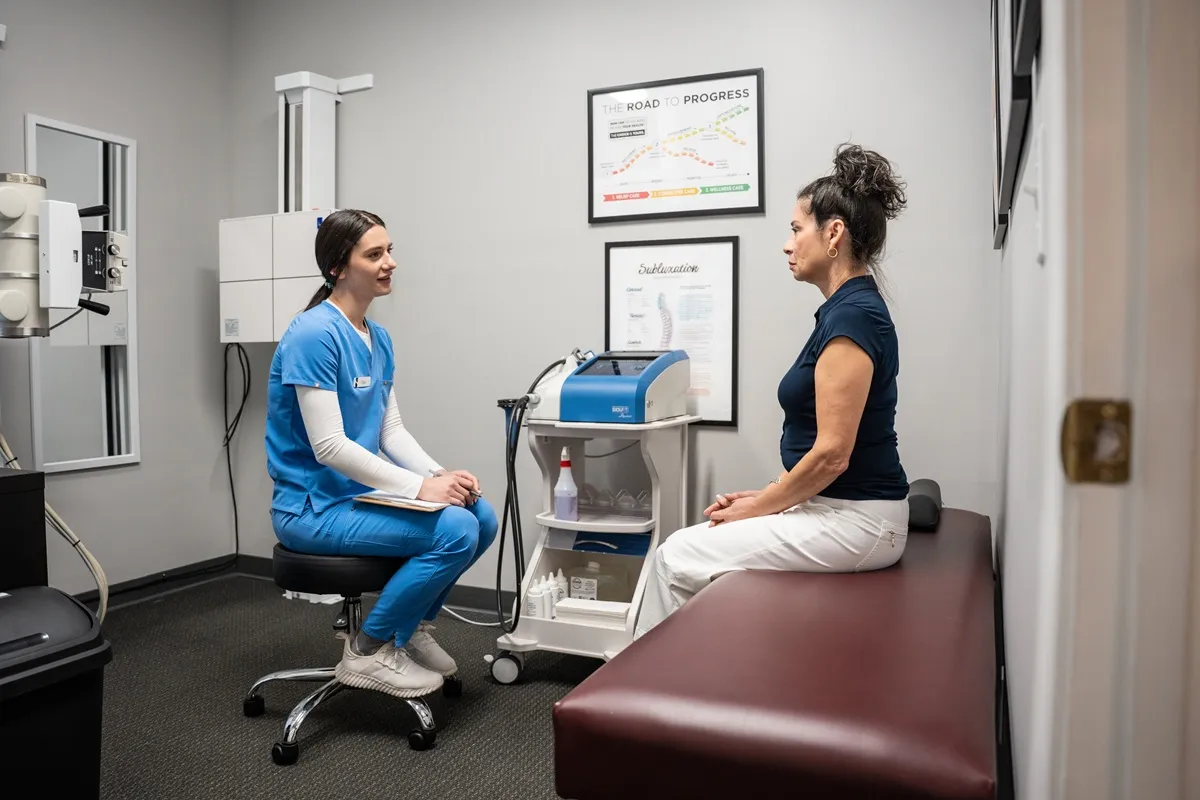
Not every ache requires an immediate appointment, but there are clear signs that your knee pain warrants a professional evaluation sooner rather than later. If your pain has persisted for more than a week or two without improvement, it’s worth getting checked out. Likewise, if your knee is swollen, significantly stiff, or affecting your ability to walk normally, don’t wait it out on your own.
Chiropractic care is particularly well-suited for knee pain that stems from mechanical issues — problems with how your joints move and how your muscles function. Many patients in Mauldin come in after weeks or months of dealing with recurring knee discomfort that they assumed would just go away. Early care almost always leads to better outcomes.
There are also situations where chiropractic care alone may not be sufficient, and Dr. Matt Eiken will always communicate openly with you about that. Red flags that require prompt medical attention include severe swelling that comes on suddenly, an obvious deformity of the knee, complete inability to bear weight, intense pain at rest, or fever alongside knee symptoms. In these cases, you should seek emergency or urgent medical care right away. Chiropractic care can still often play a supportive role after acute medical treatment has been provided.
Knee Pain Causes at a Glance
Condition |
Common Cause |
Typical Symptom Location |
Who It Commonly Affects |
|---|---|---|---|
|
ACL Sprain / Tear |
Sudden twisting or impact |
Deep inside the knee |
Athletes, active adults |
|
Meniscus Tear |
Twisting under load |
Inner or outer joint line |
Athletes, older adults |
|
Patellofemoral Syndrome |
Poor patellar tracking, overuse |
Around / behind the kneecap |
Runners, cyclists, young adults |
|
Patellar Tendinitis |
Repetitive jumping / loading |
Below the kneecap |
Jumping athletes, active teens |
|
Osteoarthritis |
Cartilage degeneration over time |
Throughout the knee, especially medial |
Adults 50+, overweight individuals |
|
IT Band Syndrome |
Overuse, hip weakness, tightness |
Outer side of the knee |
Runners, cyclists |
Myths vs. Facts About Knee Pain
Myth: “Knee pain just means you need surgery.”
Fact: The vast majority of knee pain conditions respond well to conservative, non-surgical care. Research consistently supports manual therapy, exercise rehabilitation, and lifestyle modifications as effective first-line approaches for many common knee complaints. Surgery may be appropriate in some cases, but it is rarely the first or only option.
Myth: “If it’s not swollen, it’s not serious.”
Fact: Swelling is not always present with significant knee injuries or conditions. Many people have meaningful cartilage changes, ligament stress, or tendon problems without obvious swelling. The absence of swelling does not mean your knee should be ignored if it’s causing consistent pain or functional limitations.
Myth: “Rest is the best thing you can do for a sore knee.”
Fact: While rest can be helpful in the acute phase of an injury, prolonged inactivity often makes knee pain worse over time. Muscles weaken, joints stiffen, and the surrounding tissues lose their resilience. Guided, appropriate movement is generally a much better long-term strategy than complete rest.
Myth: “Knee pain is just part of getting older — there’s nothing you can do.”
Fact: While age-related changes in the knee are real, significant knee pain is not an inevitable part of aging that must simply be accepted. Many older adults experience dramatic improvements in knee comfort and function through conservative care, targeted exercise, and lifestyle adjustments. At The Mauldin Clinic, we work with patients of all ages to help them move better and feel better.
Myth: “Cracking or popping sounds always mean something is damaged.”
Fact: Occasional clicking or popping in the knee without accompanying pain is generally not a cause for concern. These sounds often result from gas bubbles shifting in the joint fluid or tendons snapping lightly over bony structures. However, persistent popping that comes with pain, swelling, or instability does warrant evaluation.
Final Thoughts from The Mauldin Clinic
Knee pain doesn’t have to define your daily life. Whether you’re a weekend warrior who rolled your knee on the trail, a Mauldin local dealing with years of chronic aching, or a parent who just wants to keep up with the kids without limping through the day, there are real options available to you — and you don’t have to figure it all out alone.
At The Mauldin Clinic in Mauldin, SC, Dr. Matt Eiken is committed to providing thorough, personalized care that gets to the root of your knee problem. The approach here is always conservative first — looking at how your body moves, where the imbalances lie, and what combination of adjustments, soft tissue work, and corrective exercise will serve you best in the long run.
If you’ve been putting off getting your knee checked out — maybe hoping it’ll resolve on its own or worried about what you might find — we want to encourage you to take that step. Getting a clear picture of what’s happening is empowering, not scary. The sooner you understand what’s driving your knee pain, the sooner you can start moving in the right direction. The community here in Mauldin deserves to move freely and live fully, and that’s exactly what Dr. Matt Eiken and the team at The Mauldin Clinic are here to help you do.
Frequently Asked Questions
Can a chiropractor help with knee pain?
Yes. Chiropractors are trained to evaluate and treat musculoskeletal conditions, including those affecting the knee. At The Mauldin Clinic, care for knee pain may include joint adjustments, soft tissue therapy, and corrective exercise guidance to address the root mechanical causes of your discomfort.
How long does it take for knee pain to get better with chiropractic care?
Recovery time varies depending on the condition, how long it’s been present, and how your body responds to care. Some patients notice improvement within a few visits, while chronic conditions may require a longer course of care. Dr. Matt Eiken will give you a realistic picture of what to expect based on your specific situation.
Is it safe to exercise with knee pain?
It depends on the cause and severity of your knee pain. Low-impact activities are often appropriate and even beneficial, but high-impact movements should be approached carefully. A professional evaluation can help determine which types of exercise are safe and supportive for your particular condition.
What’s the difference between acute and chronic knee pain?
Acute knee pain comes on suddenly, typically from an injury, and is usually accompanied by swelling and sharp discomfort. Chronic knee pain develops gradually or lingers beyond the expected healing timeframe — often related to overuse, degeneration, or unresolved mechanical issues. Both types benefit from professional evaluation and care.
When should I go to the emergency room for knee pain?
Seek emergency care if your knee is severely deformed, if you cannot bear any weight at all, if there is extreme swelling that developed rapidly, or if you have fever alongside your knee symptoms. These signs may indicate a fracture, serious ligament rupture, or infection that requires immediate medical attention.
Does chiropractic care for knees involve cracking the knee joint?
Not necessarily. Chiropractic adjustments to the knee are gentle and targeted, and they may or may not produce an audible sound. Dr. Matt Eiken uses a variety of techniques depending on your comfort level, the nature of your condition, and what will be most effective for your care.
TL;DR Summary
-
Knee pain is one of the most common musculoskeletal complaints and can stem from ligament injuries, cartilage problems, overuse, or degenerative conditions like osteoarthritis.
-
Symptoms vary widely — from sharp acute pain and swelling to dull, chronic aching and stiffness — and each pattern offers clues about the underlying cause.
-
Chiropractic care offers a non-surgical, drug-free approach to knee pain that addresses joint mechanics, soft tissue tension, and muscle imbalances throughout the entire lower body.
-
Practical strategies like low-impact movement, supportive footwear, and targeted strengthening exercises can complement professional care and support long-term knee health.
-
At The Mauldin Clinic in Mauldin, SC, Dr. Matt Eiken provides individualized evaluation and conservative care to help patients understand and address the root cause of their knee pain.